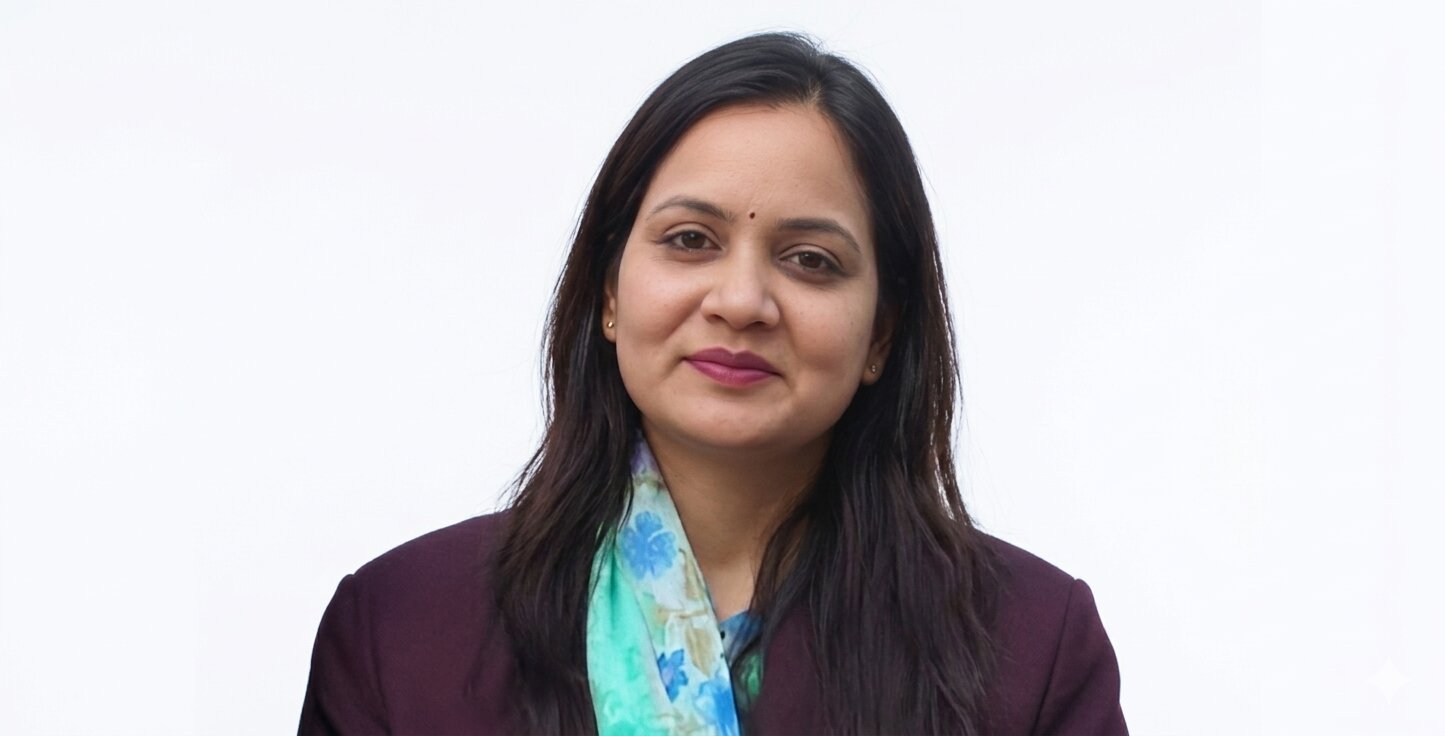
Gita Subedi, Development practitioner
Nepal has made notable progress in recognizing and protecting the rights of persons with disabilities (PwDs), including those who are Deaf. Over the years, the country has ratified key international conventions and established progressive national policies that aim to enhance accessibility, education, healthcare, and employment rights for all people with disabilities. These policies emphasize inclusive development, guarantee the right to equality and non-discrimination, and underscore the need for social protection and employment opportunities. However, despite these legal provisions, barriers in sound implementation continue to impede the full participation of the Deaf children in society.
One of the most pressing challenges faced by Deaf children in Nepal is the lack of sufficient accessible inclusive education resources. Many Deaf children struggle to access inclusive quality education due to a shortage of sufficient sign language resources, well-trained teachers, and a lack of inclusive curricula tailored to their learning needs or unique to deaf culture and language. Nepali Sign Language (NSL) is being introduced to facilitate the discussion, but mainstream teachers often lack the necessary training to use sign language effectively. This results in an education system that fails to accommodate the specific needs of Deaf learners, leaving them at a disadvantage. To bridge this gap, it is essential to develop and implement a standardized NSL curriculum resources (printed and online) across all schools of Nepal, train and recruit teachers proficient in NSL, and integrate sufficient visual learning materials such as captioned content and specialized software for Deaf students as equal as other children of schools. Providing these essential resources would ensure equal learning opportunities and foster inclusive education for Deaf children in schools.
Beyond education, the Deaf individuals also face barriers in accessing essential public services. Government offices, healthcare facilities, and emergency response services often lack sign language interpreters, making it difficult for Deaf individuals to communicate in critical situations. This communication gap can lead to delays or even denial of essential services, exacerbating their exclusion from mainstream society.
Raising public awareness about the rights and needs of the Deaf community is crucial, particularly among professionals in various sectors, such as healthcare, education, and government services. Incorporating inclusivity training into job induction programs and capacity-building initiatives can help to ensure that workplaces and public institutions are more accessible to Deaf individuals. Furthermore, policymakers must allocate sufficient resources to enforce existing disability rights laws effectively, moving beyond process-heavy provisions to evidence-based and need-driven implementation.
Deep-seated societal misconceptions about Deaf individuals contribute to their marginalization and exclusion from decision-making processes. Families and communities often lack awareness of Deaf culture and communication needs, leading to further isolation. Despite Nepal’s strong legal framework for disability rights, enforcement mechanisms are remaining weak, and violations frequently go unaddressed.
Strengthening monitoring and accountability mechanisms is necessary to ensure that policies translate into meaningful actions. Implementing measures such as mandatory sign language interpretation in government schools, hospitals, and emergency response services can significantly enhance accessibility for Deaf persons.
To improve employment opportunities for Deaf children in future, it is vital to implement targeted vocational training programs that cater to their unique skills and abilities. Employers should be incentivized to hire Deaf persons as well, and create inclusive work environments where they can thrive.
Additionally, self-employment and entrepreneurship support programs should be strengthened to empower Deaf individuals with the necessary business skills and resources. Enforcing workplace accommodations, such as sign language interpretation and adaptive technologies, would further support their professional development and integration into the labor market.
Another critical aspect of Deaf inclusion is access to healthcare. Many medical professionals lack training in Deaf-sensitive approaches, leading to communication barriers between healthcare providers and Deaf patients. This results in inadequate medical care and a lack of awareness about available health services. To address this, healthcare professionals should receive training on Deaf-sensitive communication techniques, and assistive devices should be made more widely available. Moreover, developing digital solutions such as captioning services, video relay services, and accessible websites would improve information dissemination and enable Deaf children to access essential services more efficiently.
Legal literacy is also a key issue that needs to be addressed within the Deaf community. While free legal services exist, many Deaf individuals remain unaware of their rights under Nepal’s legal provisions. Conducting targeted awareness campaigns and workshops can help to educate the Deaf community about their rights and empower them to advocate for themselves. Strengthening community-based organizations that work on Deaf rights and providing peer support networks can further enhance their ability to navigate legal and social challenges.
Media representation plays a crucial role in shaping public perceptions and fostering a more inclusive society. Encouraging greater representation of Deaf individuals in television, radio, and online platforms can help challenge misconceptions and promote their rights. Additionally, supporting parental education programs to help families understand Deaf culture and communication methods would strengthen community connections and promote a more supportive environment for Deaf children.
To ensure sustained progress in disability inclusion, a national monitoring mechanism should be established to track advancements including Deaf rights and inclusion efforts. Enforcing anti-discrimination guidelines and allocating sufficient resources for Deaf-responsive budgeting are essential steps in creating a more equitable society. Law enforcement local government officials should also receive training in Deaf-sensitive approaches to improve communication and protection for Deaf children. Strengthening safe reporting mechanisms to address cases of violence, exploitation, and discrimination against the Deaf children is another necessary measure.
Nepal has built a strong legal foundation to support persons with disabilities, but the real challenge lies in effective implementation, monitoring and need based resource allocation. Advancing the rights of the Deaf children requires a collective effort from the government, civil society, private sector, and international partners. Prioritizing sign language education, improving employment opportunities, enhancing public service accessibility, raising awareness, and enforcing disability rights laws are critical steps toward fostering an inclusive society.
The future of Nepal’s Deaf children hinges on commitment and action. Every step taken toward accessibility and inclusion contributes to dignity, equality, and empowerment for all. Now is the time to turn commitments into tangible realities and make the rights of the Deaf children in Nepal a lived experience rather than just a policy aspiration.
प्रकाशित :- २०८१ चैत्र ३, आईतबार

सम्बन्धित खवर