In Nepal, women are underrepresented in school leadership roles, despite making up nearly half of the teaching workforce. Although female teachers constitute 46% of the total teaching staff, they occupy only 15% of leadership positions, predominantly in basic schools. This disparity is particularly evident in rural areas, where female leadership is as low as 5-8%, compared to 20% in urban areas. At the secondary level, women hold just 7% of leadership roles. To address this, it is crucial to implement systemic reforms, affirmative action, and capacity-building strategies that enable more women to rise to leadership positions.
Nepal’s commitment to gender equality is embedded in its Constitution and various policies. Article 38 guarantees women’s equal participation in all sectors, including education, while Article 42 mandates equal pay for equal work. Additionally, Article 56 ensures that at least one-third of parliament members are women. The Gender Equality and Social Inclusion (GESI) Policy focuses on mainstreaming gender across all sectors, including in decision-making within education. The Education Act and Regulations also support increasing women’s representation in leadership. Furthermore, the ‘Local Government Operation Act’ mandates a 33% reservation for women in local governance roles, extending this to education as well.
Despite these policy provisions, the absence of explicit affirmative action measures has contributed to the gender imbalance in headteacher or principal positions. While there are quotas for female teachers, no similar measures exist for leadership roles, which leaves recruitment and promotions largely influenced by gender biases. Cultural norms, implicit biases, and a lack of clear career pathways further exacerbate the challenge for women teachers aspiring to leadership roles.
To address the gender imbalance in school leadership, several approaches are essential. Policies such as a 33% female quota for headteacher positions and other leadership roles, including principals and local education unit officers, must be implemented. Transparent and equitable recruitment processes should be prioritized to ensure that women are fairly considered for leadership roles. Additionally, gender-disaggregated data should be integrated into the Integrated Education Management Information System (IEMIS) to track progress and inform policies.
Structured mentorship programs that connect aspiring women educators with experienced mentorsboth female and maleare crucial for leadership development. These programs should be accompanied by training tailored to women teachers’ competencies, including leadership, school governance, and decision-making skills. Peer learning and networking platforms can also provide ongoing support, fostering advocacy and leadership among female educators.
Capacity-building initiatives must focus on enhancing leadership skills in female teachers. Training programs should be designed to empower women to engage in policy discussions, participate in school governance, and assume leadership roles. These efforts should be supported by local government representatives, who should also receive training to prioritize gender equity in their planning and budgeting activities.
Raising awareness among School Management Committees (SMCs), Parent-Teacher Associations (PTAs), and local communities about the importance of female leadership is critical. Public sensitization programs and advocacy campaigns should aim to challenge traditional gender norms and stereotypes that hinder women’s advancement. Encouraging male allies to advocate for female leaders can also shift societal attitudes towards gender-inclusive leadership.In addition to policies that promote gender equity, creating a supportive work environment for aspiring women leaders is essential. Flexible work arrangements, maternity leave, childcare support, and anti-discrimination measures should be enforced. These policies will help address the additional challenges women face due to caregiving responsibilities and other socio-cultural barriers.
Despite several supportive policies, women face numerous barriers that prevent their advancement into leadership roles. Societal expectations, implicit biases, and caregiving responsibilities often limit women’s access to leadership training and career progression, even when they possess the necessary qualifications. In rural areas, gender norms may discourage women from pursuing leadership roles, and their authority is often undervalued.
Moreover, unclear selection criteria and the absence of structured career progression pathways hinder women’s advancement, perpetuating the cycle of underrepresentation.Cultural stereotypes about women’s leadership abilities also play a significant role in limiting women’s opportunities. These stereotypes often lead to the undervaluation of female leaders, which in turn affects their chances of securing leadership positions. Therefore, it is crucial to provide opportunities for women to prove their leadership potential through mentorship programs, leadership training, and capacity-building workshops.
To strengthen female leadership in Nepal’s education system, it is equally essential to integrate gender-disaggregated data into decision-making processes. Regular gender audits should be conducted to assess the effectiveness of existing policies and identify areas where improvements are needed. These audits will help identify gaps in leadership representation and inform the development of targeted interventions.The IEMIS system should track the number of female leaders in the education sector, including headteachers and other leadership positions. This data can then be used to measure progress towards gender equity and support evidence-based policymaking. Additionally, periodic reviews of recruitment and promotion practices will ensure that gender biases are minimized, and female educators are given equal opportunities for career advancement.
Research shows that female school leaders have a positive impact on student enrollment, retention, and overall learning outcomes. Female leaders often serve as role models for girls, demonstrating that leadership positions are attainable regardless of gender. Moreover, female school leaders are more likely to create inclusive and supportive learning environments, which benefit marginalized students, including girls, children with disabilities, and those from disadvantaged communities.Despite the benefits of female leadership, women remain underrepresented in school leadership globally, including in Nepal. Increasing female leadership at the school level is critical for improving educational outcomes and fostering inclusive governance. Ensuring that women are represented in decision-making roles at the school level contributes to gender equality and enhances the quality of education in Nepal.
Future research should focus on identifying the specific challenges that female educators face in accessing leadership opportunities. Studies examining provincial disparities and capacity gaps among female headteachers will help inform targeted policy interventions. Additionally, data-tracking mechanisms within IEMIS should be further developed to monitor progress and evaluate the effectiveness of gender-inclusive policies.Multi-stakeholder engagement is also crucial for advancing women in leadership roles. Partnerships between policymakers, educators, community leaders, I/NGOs and gender advocates will strengthen advocacy efforts and ensure that gender equity remains a priority in educational planning. Public awareness campaigns and stakeholder forums should be leveraged to challenge societal norms and promote female leadership in education.
Moving forward, to increase women’s representation in school leadership, Nepal must implement affirmative action measures. Raising awareness through advocacy campaigns and ensuring fair selection criteria for headteacher appointments can help address systemic biases. Additionally, initiatives such as a female headteacher recruitment policy, targeted leadership training, and the development of a principal pipeline program are essential to supporting aspiring female educators.By strengthening gender-responsive leadership pathways and implementing supportive policies, Nepal can foster a more inclusive education system that benefits both schools and society at large. Increasing female representation in school leadership will not only promote gender equality but also contribute to improved educational outcomes, enhanced governance, and broader social transformation.
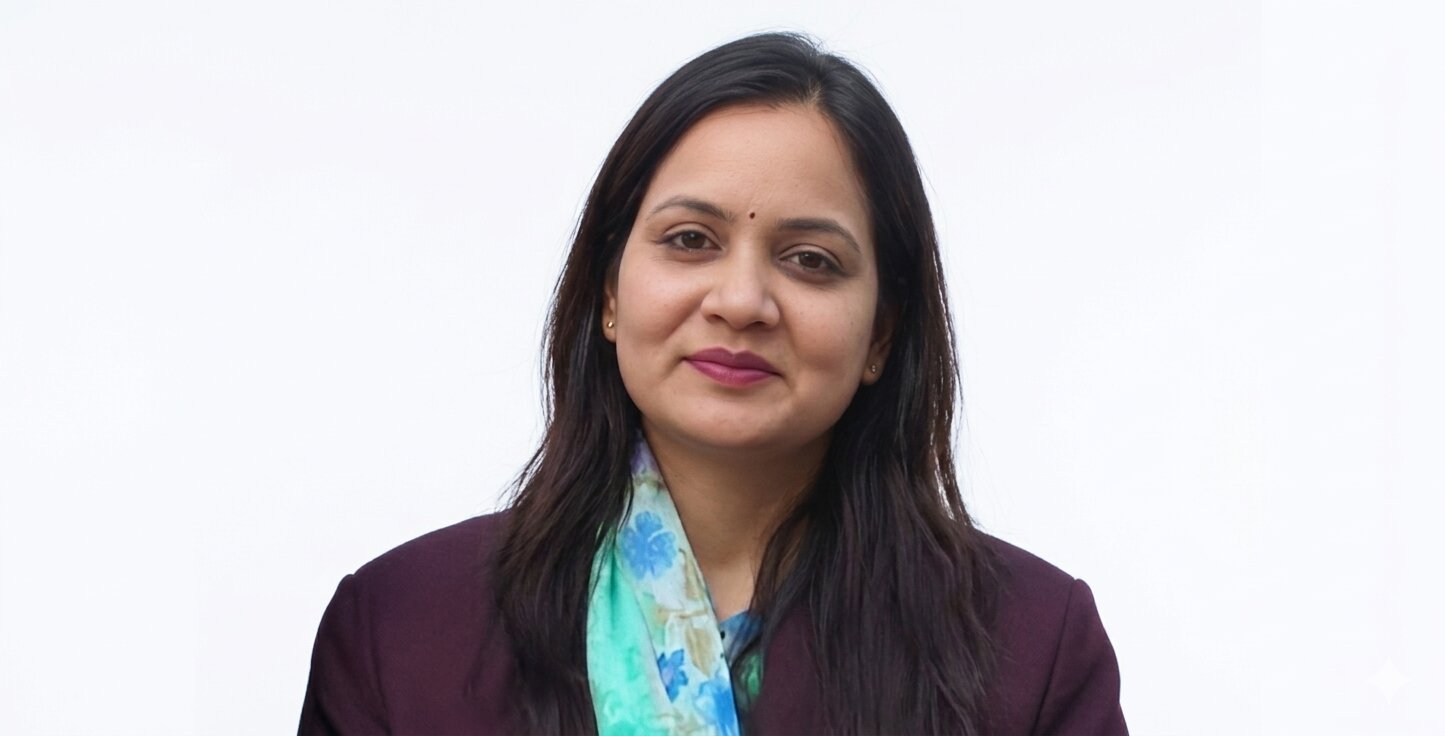
Gita Subedi, GESI & Safeguard Specialist
प्रकाशित :- २०८२ बैशाख ५, शुक्रबार

सम्बन्धित खवर